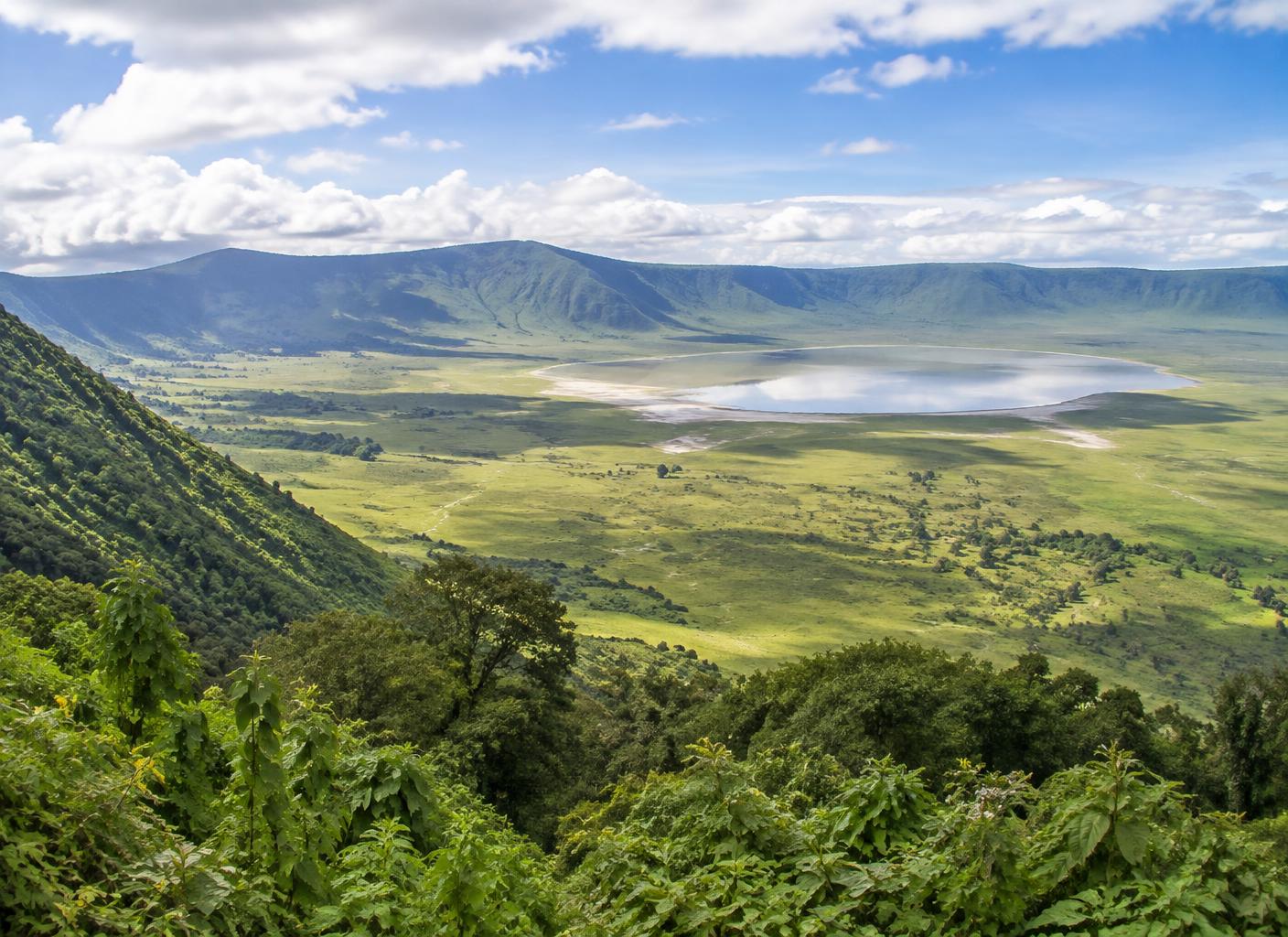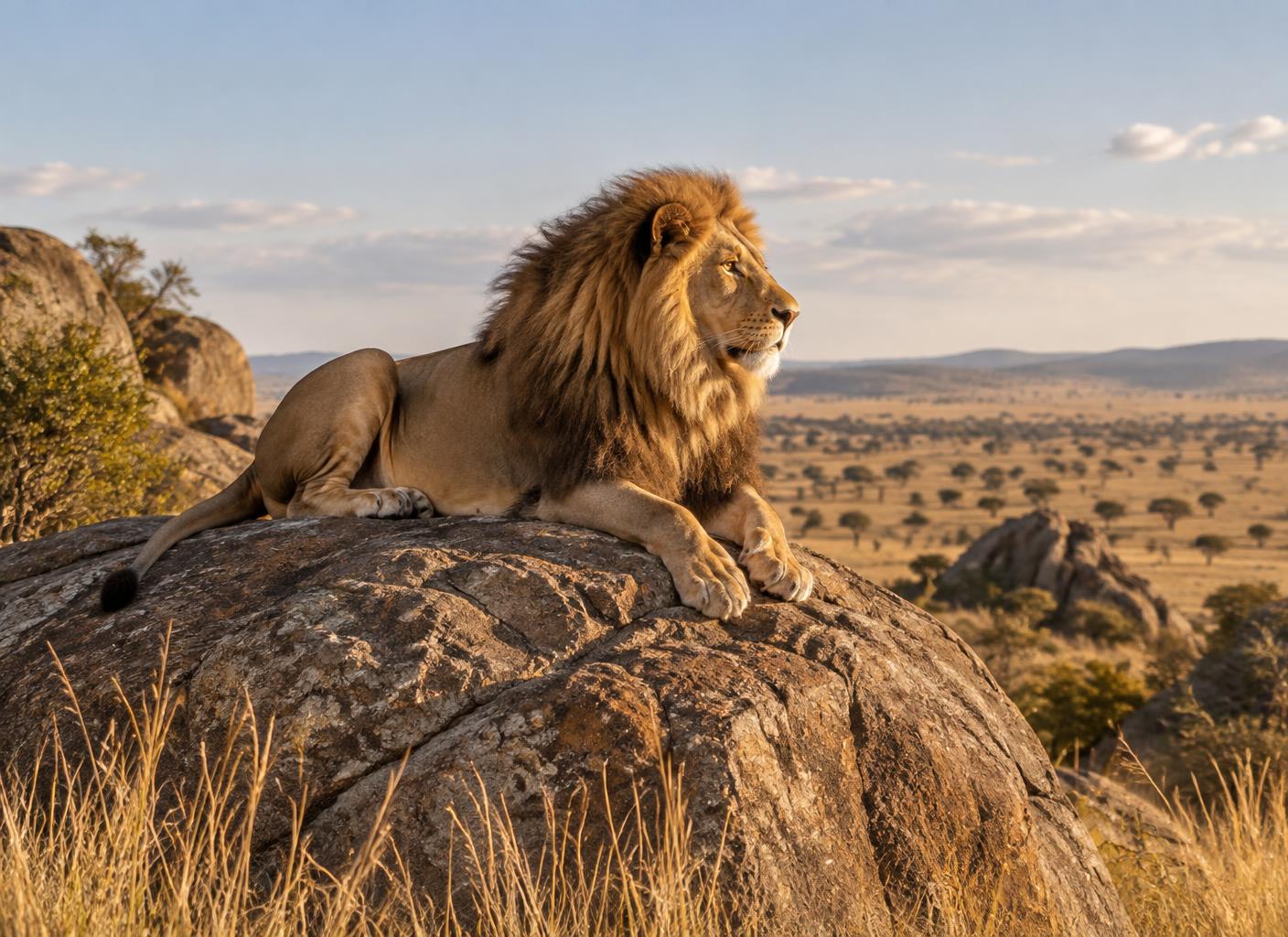
The Serengeti is one of the world's great natural landscapes, but its power is difficult to understand until you are standing inside it. The horizon seems endless. Grasslands stretch toward distant kopjes and woodland, while animals move according to rhythms that have existed for generations. The first morning in the Serengeti often feels almost unreal. Before sunrise, the plains are quiet. Then the light begins to change and the landscape slowly reveals itself: zebra crossing the grass, giraffes moving between trees, elephants appearing in the distance and predators beginning another day.
Different parts of the Serengeti offer different experiences. Central Serengeti provides excellent year-round wildlife opportunities and is an outstanding introduction to the ecosystem. Northern Serengeti offers greater remoteness and becomes particularly important during the northern migration period. Southern Serengeti can be extraordinary during calving season, when green plains attract enormous concentrations of wildebeest and other grazing animals.
The Serengeti is home to lions, leopards, cheetahs, elephants, buffalo, giraffes, zebras, wildebeest, hyenas, hippos and an extraordinary diversity of birdlife. Yet the greatest pleasure is not simply seeing these animals; it is watching behaviour. A lioness deciding whether to approach a herd, elephants communicating with one another, a leopard disappearing into woodland or a cheetah scanning the horizon can become more memorable than any checklist.
We place great importance on guiding and positioning. Your guide should understand the landscape, animal behaviour, seasonal conditions and the value of patience. Sometimes the most rewarding decision is to stay rather than move.
The Serengeti is not simply a destination. It is a living world, and the privilege is being able to enter it quietly.